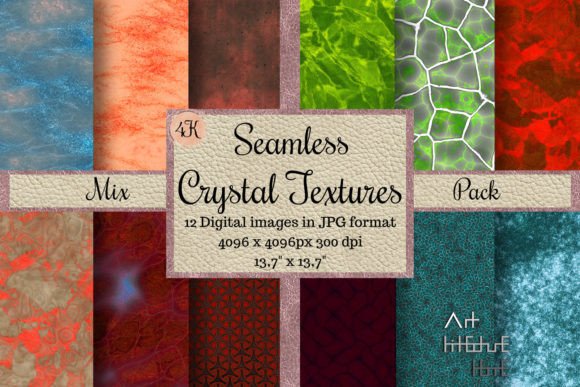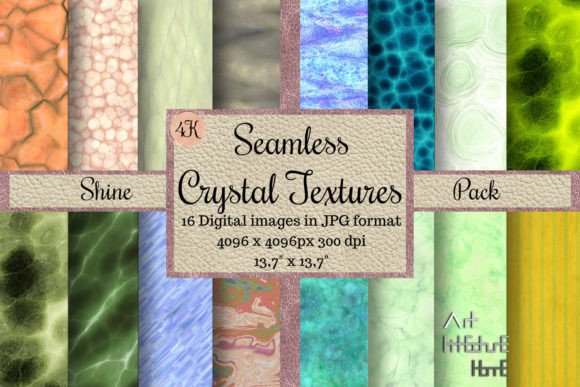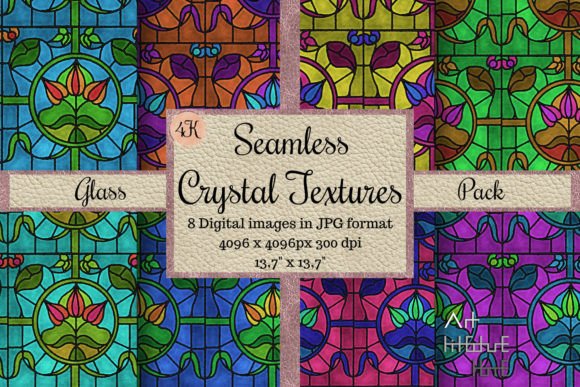
Seamless Tile Textures - Classic Pack: A Strategic Tool for Designers and Creators
For professionals in design, marketing, architecture, and creative fields, having access to high-quality resources can make a significant difference in the final output. The Seamless Tile Textures - Classic Pack is one such resource that offers flexibility, precision, and aesthetic appeal across multiple applications. Whether you're working on interior design projects, crafting digital art, or planning large-scale prints, this pack provides a versatile foundation that enhances both efficiency and creativity.
What Are Seamless Tile Textures?
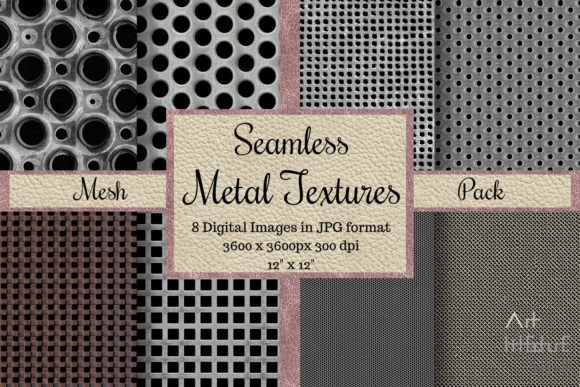
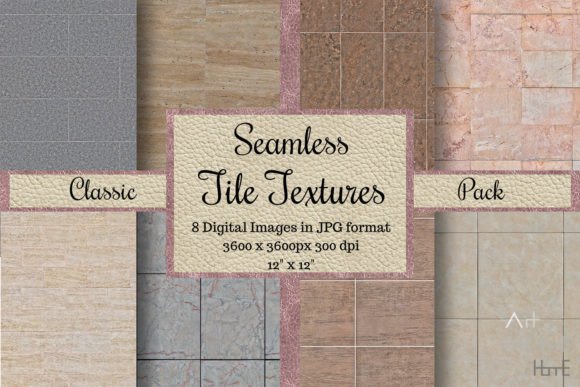
Seamless tile textures are digital images designed to repeat seamlessly without visible edges or distortions. These textures are ideal for covering surfaces of any size while maintaining a uniform and realistic appearance. The Classic Pack contains eight such textures, each meticulously crafted to ensure continuity and visual harmony when tiled. The dimensions (12 x 12 inches / 30.5 x 30.5 cm) and resolution (300 dpi) make them suitable for professional-grade work, from print to digital media.
High-Quality Characteristics
- Size: Each texture measures 3600 x 3600 pixels, providing ample detail for close-up use or large-format printing.
- Resolution: At 300 dpi, these textures deliver crisp, clear results—essential for any project where quality matters.
- Format: The seamless format ensures no awkward joins or tiling artifacts, making it easy to apply across entire surfaces.
Strategic Use Across Industries
The thoughtful integration of the Seamless Tile Textures - Classic Pack can elevate your workflow in various industries. Here’s how different sectors can benefit:
Interior and Architectural Design
In architectural visualization, using realistic textures is key to creating immersive environments. The stone, brick, and ceramic textures in this pack allow designers to simulate materials like concrete, wood, or marble with accuracy. For example, adding a square stone texture to a floor plan gives clients a tangible sense of space and materiality before construction begins. This not only supports decision-making but also strengthens client communication and confidence in the design process.
Digital Art and Web Backgrounds
Web developers and graphic designers often need background elements that are visually engaging yet non-distracting. The Classic Pack includes textures that blend well into digital canvases. A subtle grass texture or desert texture can add depth and interest to landing pages, blogs, or portfolio sites. When used intentionally, these textures enhance user experience by grounding digital content in a natural or classic visual context.
Crafting and Scrapbooking
Hobbyists and creators who work with Cricut, vinyl decals, or other cut machines will find these textures incredibly useful. They can be printed as digital papers for scrapbooking, card invitations, or even wedding props. By incorporating textures like ceramic wallpaper backgrounds or interior textures, you can transform ordinary paper crafts into elegant, dimensional pieces that stand out.
3D Modeling and Virtual Projects
Professionals using tools like Blender, SketchUp, or 3D Max rely heavily on accurate materials to bring their models to life. The 3D texture options in this pack offer a realistic base for virtual walls, floors, or objects. For instance, applying a brick texture to an exterior model can help visualize a building's character long before actual construction starts.
Planning Your Texture Application
Before implementing these textures into your projects, consider the following strategic steps to maximize their value:
- Define Purpose: Ask yourself what the texture is meant to achieve. Is it to add realism, create contrast, or support branding? Clarifying your goal helps prevent misuse and ensures the texture aligns with your vision.
- Match the Scale: Because each texture is 12 x 12 inches at 300 dpi, it’s important to test how it looks when scaled up or down. Some textures may lose clarity when stretched beyond their intended size.
- Consider Color and Lighting: Adjust the texture to fit the lighting and color scheme of your project. Subtle changes in hue or brightness can dramatically affect the final outcome.
- Layer Thoughtfully: Combine textures with other design elements strategically. Layering a stone texture beneath a patterned wallpaper can add richness and complexity without overwhelming the design.
Practical Examples in Action
Here are some real-world scenarios where the Classic Pack can be effectively utilized:
- Fabric Printing: Use the classic wall texture as a base for fabric designs, especially for home décor items like curtains or upholstery.
- Miniature Houses: Incorporate seamless brick textures or floor patterns into miniature house kits to give them a more authentic finish.
- Wall Art: Print the textures on canvas for texture wall art that adds tactile and visual interest to a room.
- Product Packaging: Apply textured paper designs to product boxes or labels for a unique brand identity.
Risks of Random Use
While the Classic Pack offers incredible versatility, using it randomly without considering context can lead to poor outcomes. For example, applying a desert texture to a modern minimalist website might clash with the intended style. Similarly, overusing textures in architectural renderings can obscure structural details and reduce clarity.
To avoid these pitfalls, always ask: Does this texture serve a purpose? Will it enhance the message or confuse it? A texture should never be added just because it looks “nice”—it must contribute meaningfully to the overall design strategy.
Integration Tips for Long-Term Value
Maximize the impact of the Classic Pack by integrating it into your long-term creative strategy:
- Build a Texture Library: Organize the textures by category (e.g., stone, brick, fabric) and keep them readily accessible for future projects.
- Experiment with Combinations: Try blending different textures in new ways to develop a signature style that sets your work apart.
- Use in Branding: Consistent use of specific textures across marketing materials, packaging, or web design can reinforce brand identity and recognition.
- Optimize for Different Platforms: Tailor the application of textures depending on whether they’re being used for print, web, or mobile interfaces.
Decision-Making Guidance
When choosing which texture to use, focus on alignment with your goals. If you're designing for a luxury brand, a refined ceramic texture may be appropriate. For a rustic-themed wedding invitation, a brick or stone texture could add warmth and authenticity. Always prioritize relevance and coherence over novelty.
Operational Efficiency and Creativity
One of the greatest advantages of the Classic Pack is its ability to streamline workflows. Instead of sourcing individual textures or creating them from scratch, you can quickly apply ready-made, high-resolution tiles that meet professional standards. This not only saves time but also reduces errors related to mismatched or low-quality assets.
Moreover, the pack encourages creativity through its variety. With eight distinct textures, you have the freedom to explore diverse styles—from industrial brick to soft grass—and find the perfect match for your next project. This diversity makes it an excellent investment for anyone looking to expand their design toolkit.
Learning Opportunities
Using these textures also presents opportunities for learning and growth. As you experiment with different applications—such as texture canvas or 3D projects—you’ll gain a deeper understanding of how texture influences perception, mood, and functionality. Over time, this knowledge can improve your decision-making and increase the value of your work.
When to Rely on These Textures
There are specific times when leveraging the Classic Pack can yield the best results:
- Project Kickoff: Use textures during the initial planning stages to visualize how materials will look in the final product.
- Client Presentations: Showcase designs with realistic textures to help stakeholders better understand and approve proposals.
- Prototyping: Create mockups with textures to test how different materials interact with light, shadows, and other design elements.
- Marketing Materials: Enhance promotional content with textures that evoke emotion and connect with your target audience.
Key Considerations Before Implementation
Before relying on these textures, assess the following factors:
- Target Audience: Will the texture resonate with your users or viewers? A vintage brick texture might appeal to one demographic but feel outdated to another.
- Technical Requirements: Ensure your software supports the file formats included in the pack. Most modern programs do, but it’s worth confirming to avoid compatibility issues.
- Contextual Fit: Evaluate how the texture interacts with other design components. It should complement rather than compete with typography, colors, or imagery.
- Longevity: Choose textures that won’t date quickly. Opt for timeless patterns if your project has a long shelf life, like floor patterns for commercial spaces.
Enhancing Customer Experience Through Texture
In customer-facing projects, the right texture can significantly enhance the user experience. Think about how a seamless tile texture might influence the perception of a product. For instance, using a wood-like texture on a furniture catalog image can make the item appear more natural and desirable. In e-commerce, textures can also be used to differentiate products subtly and create a cohesive brand environment.
Architects and interior designers can similarly leverage textures to create more relatable visualizations. A textured blender material or SketchUp exterior can help clients imagine the tactile qualities of a finished space, improving satisfaction and reducing revision requests.
Balancing Aesthetics and Functionality
Texture isn't just about aesthetics—it also plays a functional role. In flooring and wall design, the visual weight and pattern of a texture can affect how a room feels. A bold tile texture might dominate a small space, whereas a softer canvas texture could help it feel cozier. Understanding these dynamics allows you to make informed choices that align with both form and function.
Conclusion
The Seamless Tile Textures - Classic Pack is more than just a collection of digital assets; it’s a strategic tool that can enhance your creative output, support better decision-making, and streamline your workflow. Whether you're a designer, marketer, educator, or hobbyist, these textures provide a foundation for innovation and precision. By using them intentionally and thoughtfully, you can unlock their full potential and achieve professional-grade results in less time.
If you're looking to integrate realistic, high-quality textures into your projects and want to explore their possibilities further, the Classic Pack is an excellent starting point. You can learn more by reaching out directly for additional insights and guidance tailored to your needs.