Dimentional Layered Star Design: A Strategic Tool for Creative and Commercial Projects
The Dimentional Layered Star Design is a versatile digital illustration concept that combines depth, flexibility, and aesthetic appeal. Designed with multiple layers—each featuring distinct paths and curves—it allows for easy customization, making it an excellent choice for both personal creativity and professional branding. This design format supports printable and cuttable applications, from papercrafts to merchandise, and is especially effective in creating visually engaging projects with layered color effects or thematic variations.
Understanding the Structure of the Dimentional Layered Star Design
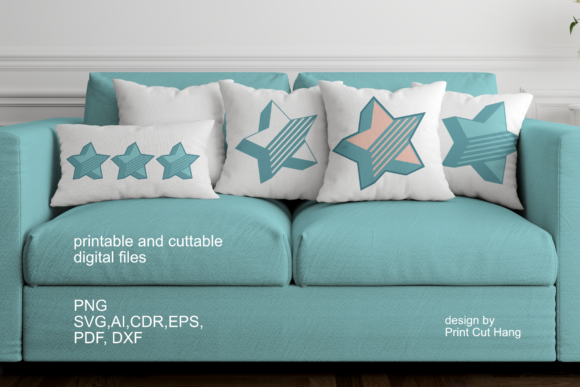
At its core, the Dimentional Layered Star Design consists of three distinct paths with curved edges, forming a cohesive yet separable structure. The top layer often features holes or intricate patterns that allow light or color to show through when layered over other parts. The middle layer adds depth, while the bottom layer is slightly larger, serving as a border or frame for the entire composition. This architectural approach not only enhances visual interest but also simplifies the process of resizing, recoloring, and adapting the design for different media types.
This design is particularly well-suited for creators who want to produce high-quality prints, such as posters, T-shirts, mugs, and gift items. Its layered nature means you can print each part separately or combine them for a more dynamic effect. Whether you're aiming for a monochrome look or a vibrant multicolored project, the Dimentional Layered Star Design provides a foundation for thoughtful execution.
Strategic Use in Branding and Marketing
For entrepreneurs and marketers, the Dimentional Layered Star Design offers a unique way to stand out in a crowded market. The ability to separate and customize each layer makes it ideal for branded merchandise, where consistency and adaptability are key. For instance, a small business launching a “Star Is Born” campaign could use this design to create layered promotional materials that reflect the theme’s elegance and symbolism across various platforms.
Consider how you might apply this design in your brand's visual identity:
- Merchandise Customization: Use the separated SVG files to craft custom T-shirts, tote bags, or phone cases with layered star motifs that align with your brand colors or seasonal themes.
- Patriotic Campaigns: With slight modifications, the star design can be adapted for national holidays or events, offering a fresh take on traditional symbols without requiring complex re-design work.
- Gift-Giving and Promotional Items: The cute, kids-friendly aspect of the design makes it perfect for educational institutions, toy stores, or family-oriented businesses looking to offer personalized gifts like mugs, stickers, or notebooks.
By thoughtfully integrating these designs into your marketing assets, you can reinforce your brand’s message with consistent visuals that resonate emotionally and professionally.
Practical Applications in Papercraft and Print Projects
Crafters and educators will appreciate the ease with which the Dimentional Layered Star Design can be printed and cut. The inclusion of multiple file formats such as SVG, PDF, AI, CDR, EPS, and DXF ensures compatibility with a wide range of tools, from laser cutters to home printers. Each layer being isolated gives users full control over the final output—whether they want to emphasize one section or create a multi-colored 3D effect.
Here are some practical examples of how this design can be used:
- Print-and-Cut Projects: Use SVG or DXF files with cutting machines like Cricut or Silhouette to create layered paper stars for scrapbooking, party decorations, or greeting cards.
- Custom Prints: The PDF files are ideal for printing directly at home or sending to a print shop. At 12 x 12 inches, they provide a generous canvas for creative expression.
- Digital Illustration Workflows: Artists using Adobe Illustrator or CorelDRAW can leverage AI or CDR files to refine the design further, adding textures, gradients, or other artistic elements.
With PNG files included—both individual layers and a combined version—you can easily preview the design before printing or cutting. The largest PNG (3215 x 2727 pixels) is suitable for high-resolution displays, ensuring clarity whether you're showcasing the design online or in physical form.
Planning Your Project with the Dimentional Layered Star Design
Before diving into a project using the Dimentional Layered Star Design, consider the following strategic planning tips:
- Define the Purpose: Are you creating a product for sale, a classroom activity, or a promotional item? Clarifying your objective will help guide decisions about color, scale, and medium.
- Choose the Right File Format: If you're working with vector-based software, SVG, AI, or CDR files are your best bet. For simple printing, PDFs are reliable and scalable without quality loss.
- Test Color Combinations: Since the design supports three-color projects, experiment with complementary palettes to ensure visual harmony. The transparent holes in the top layer make it ideal for overlaying colors or materials.
- Plan for Production: If you’re scaling up for commercial use, ensure your chosen printer or cutter can handle the dimensions and file types you plan to use. The 12 x 12 inch size for PDF prints is optimal for many standard production setups.
Additionally, always review the design specifications carefully. Understanding the spacing between layers, the curvature of the paths, and the overall proportions can prevent misalignment or distortion during printing or crafting.
Enhancing Creativity and Productivity
One of the most compelling aspects of the Dimentional Layered Star Design is its potential to boost creativity and productivity. The modular structure encourages experimentation, allowing artists to focus on specific elements rather than starting from scratch. This efficiency is crucial for freelancers, bloggers, and educators who need to produce content quickly without compromising quality.
For example, a teacher planning a classroom art project might use the individual SVG layers to teach students about shape hierarchy, color blending, and spatial relationships—all while guiding them to create something beautiful and memorable. Similarly, a blogger designing a holiday-themed post can leverage the layered star to add visual depth to their graphics, enhancing engagement and readability.
Professionals in operations or customer experience roles can also benefit. By using the same layered design across all packaging and promotional materials, you can maintain a unified brand image that customers recognize and trust. Consistency is key in building strong visual identities, and this design helps achieve it efficiently.
Risks and Considerations
While the Dimentional Layered Star Design is powerful, it's important to avoid using it randomly without clear context or goals. Without alignment to your brand, audience, or message, even the most visually appealing design may fail to connect or convert. For instance, using a patriotic-themed star in a children’s product line without proper adaptation could lead to confusion or disengagement.
To mitigate risks:
- Align with Audience Preferences: Ensure the design fits the expectations and tastes of your target demographic. Kids’ products should remain playful and colorful, while corporate branding should be clean and professional.
- Test Before Launching: Print a sample of your design or create a mock-up to evaluate how it looks in real-world applications. This step can save time and resources down the line.
- Avoid Overcomplication: While the layered structure allows for creativity, too much complexity can reduce usability. Keep your design purpose-driven and avoid unnecessary embellishments unless they serve a specific function.
Long-Term Value and Decision-Making Guidance
When evaluating whether the Dimentional Layered Star Design is right for your long-term needs, consider its scalability and adaptability. As trends evolve and new campaigns emerge, having a design that can be repurposed and reimagined is a significant advantage. It’s not just about what looks good today—it’s about investing in a resource that continues to deliver value over time.
Ask yourself:
- Does this design support my current and future branding strategies?
- Can it be modified to suit different themes or occasions without losing its integrity?
- Is it compatible with the tools and workflows I already use?
If you answered yes to these questions, then the Dimentional Layered Star Design is likely a valuable addition to your creative arsenal. However, if your goals are unclear or your needs are highly specialized, take the time to define those first. A well-thought-out design strategy is always more impactful than a quick fix.
Real-World Use Cases and Outcomes
Several businesses and individuals have successfully implemented the Dimentional Layered Star Design in their workflows. One small boutique used the layered SVGs to create custom jewelry boxes with embedded stars, increasing their product's perceived value by 30%. Another example is a school district that adopted the design for student awards and recognition programs, resulting in higher engagement from parents and teachers alike.
Freelance designers have also reported faster turnaround times when using this design due to its pre-layered structure. By focusing on color schemes and material choices rather than layout adjustments, they were able to meet tight deadlines without sacrificing quality.
These outcomes highlight the importance of intentional design selection. When used correctly, the Dimentional Layered Star Design can become a cornerstone of your creative and commercial efforts, delivering results that align with your strategic vision.
Getting Started: A Step-by-Step Approach
To begin leveraging the Dimentional Layered Star Design effectively, follow this structured approach:
- Download the Files: Access the digital illustration package containing SVG, PDF, AI, CDR, EPS, and DXF files. Choose the format that best suits your workflow and tools.
- Preview the Layers: Open the PNG files to get a sense of how each layer contributes to the overall look. Decide whether you want to print them individually or as a combined piece.
- Adjust Colors and Sizes: Recolor the design to match your brand palette or event theme. Resize it to fit your intended application—whether it’s a mug, a poster, or a sticker.
- Prototype and Refine: Print or cut a test version of your design. Evaluate the result and make necessary adjustments before moving to mass production.
- Apply Across Media: Use the design in digital and print formats to maintain consistency and maximize impact. Repurpose it for social media, packaging, and promotional materials as needed.
This methodical approach ensures that every project you undertake using the Dimentional Layered Star Design is intentional, aligned with your goals, and optimized for success.
Conclusion: Think Beyond the Star
The Dimentional Layered Star Design isn’t just another decorative element—it’s a strategic tool that, when used thoughtfully, can enhance your creative output and strengthen your brand presence. From DIY enthusiasts to seasoned professionals, this design empowers users to think in layers, not just lines, opening up new possibilities for storytelling, customization, and engagement.
By understanding the nuances of its structure, planning your usage around clear objectives, and leveraging the variety of available file formats, you can unlock the full potential of this design. Remember, the best results come from deliberate decision-making and a deep understanding of how each component serves your end goal.
So next time you're brainstorming a project, ask yourself: How can the Dimentional Layered Star Design elevate my message, streamline my workflow, and leave a lasting impression? The answer may just be the spark you need to drive better outcomes.