Wine Bottle Mockup: A Practical Tool for Professional Branding and Presentation
For designers, marketers, and entrepreneurs involved in branding or product launches, visual presentation is key. One of the most effective tools to elevate your design work is a high-quality Wine Bottle Mockup. Specifically, the Bottle Label Mockup offers a realistic 3D representation that can help showcase your label designs in an appealing and professional manner. This article explores what makes this mockup stand out, how it functions in real-world scenarios, and who might benefit most from its use.
What Is a Wine Bottle Mockup?
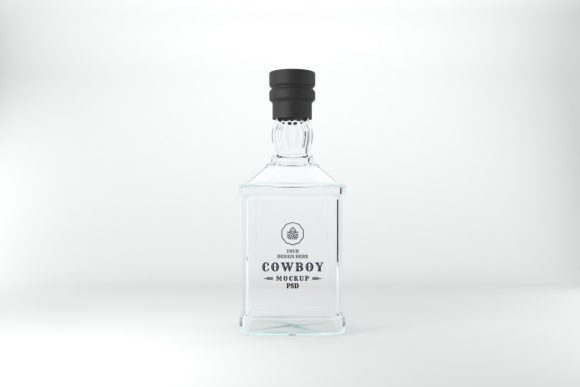
A Wine Bottle Mockup is a digital template used to present wine bottle labels or packaging in a realistic context without needing physical prototypes. It allows users to visualize how their design will appear on a finished product, which is especially useful during the branding phase of a new venture or when redesigning existing packaging.
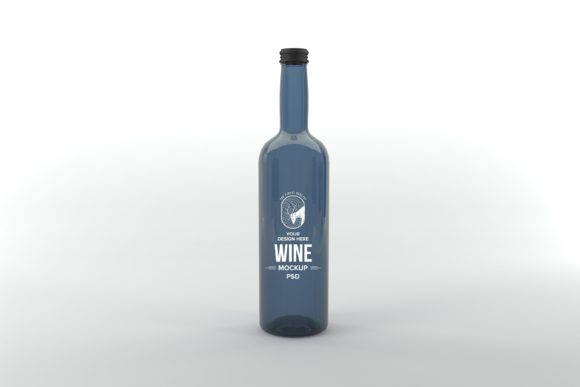
The Bottle Label Mockup described here goes beyond standard 3D renders by offering a more refined and detailed visual experience. Unlike generic mockups that may lack realism, this one delivers a photorealistic view of the bottle and its label, making it ideal for both digital and print-based presentations.
Key Features and Practical Value
One of the standout features of this Wine Bottle Mockup is its format. It comes as a layered PSD Smart Object, enabling seamless integration into Adobe Photoshop workflows. This means you can easily place your artwork or label onto the bottle surface using non-destructive editing techniques, preserving the original quality and structure of the mockup file.
- High Resolution: The included JPEG image has a dimension of 5000 x 3333px, ensuring crisp visuals suitable for web, print, and social media use.
- Minimalist Background: Clean, neutral backgrounds let your design take center stage without unnecessary distractions.
- Unique Scene Composition: The scene is carefully crafted to make your label look more prominent and visually striking.
- Layered Structure: The PSD file is fully editable, allowing for customization of lighting, background, or positioning if needed.
These characteristics contribute to the mockup’s practical value. Whether you’re preparing marketing materials, updating your portfolio, or creating content for a blog or website, having access to a ready-made, realistic visual can significantly streamline your workflow.
Real-World Applications and User Experience
In practice, the Wine Bottle Mockup serves multiple purposes across various industries. For example, a small winery launching a new line can use it to preview how their label will look before mass production. Similarly, graphic designers working with clients in the beverage industry can offer a tangible visual aid to support their creative proposals.
Using the mockup is straightforward. Open the PSD file in Photoshop, select the Smart Object layer where your label should go, insert your design, and adjust as necessary. The result is a lifelike rendering that mimics real-world lighting and textures—something that would typically require expensive photography equipment and time-consuming setup.
Here are some typical use cases:
- Creating product pages for e-commerce websites.
- Designing promotional assets for print or digital campaigns.
- Presenting branding concepts to stakeholders or clients.
- Generating social media posts for launch announcements.
Who Benefits Most from This Mockup?
Professionals and creatives in several fields can leverage the Wine Bottle Mockup effectively. These include:
- Graphic Designers: Those specializing in packaging or branding can use it to quickly test and present label designs.
- Marketing Professionals: Ideal for creating compelling visuals for campaigns or advertisements.
- Entrepreneurs: Especially beneficial for startups in the wine or beverage sector looking to establish a strong brand identity.
- Freelancers: Can add it to their toolkit to deliver premium visuals without investing in photo shoots.
- Bloggers and Content Creators: Great for lifestyle or food blogs aiming to feature custom wine labels in engaging ways.
Its versatility makes it a valuable asset for anyone needing to visualize a wine bottle design within a realistic environment quickly and efficiently.
Quality and Usability Considerations
When evaluating the Wine Bottle Mockup, two aspects immediately stand out: quality and usability. The high-resolution JPEG ensures that your final output looks sharp and clean, while the layered PSD provides flexibility for those who want to tweak elements like shadows, reflections, or background colors.
From a usability standpoint, the mockup is beginner-friendly but also powerful enough for advanced users. Its Smart Object functionality eliminates the need for complex layer adjustments or retouching, reducing the learning curve. However, basic familiarity with Photoshop is recommended to maximize its potential.
Limitations and When to Use Alternatives
While the Wine Bottle Mockup is highly effective for many applications, it does have limitations. It's designed for a specific bottle shape and style, so if your project requires different types (e.g., champagne bottles, craft beer cans), you may need additional templates or alternatives.
Additionally, the mockup doesn't allow for dynamic changes such as rotating the bottle freely or changing the angle interactively unless you're using a dedicated 3D modeling software. If your project demands multiple perspectives or motion graphics, consider pairing this with other tools or services that offer 360-degree views.
Long-Term Value and Cost Efficiency
Investing in a Wine Bottle Mockup can be cost-effective in the long run. Instead of hiring a photographer or building custom sets each time you need a visual, you can reuse this mockup across numerous projects. It saves not only money but also time, which is crucial for professionals managing tight deadlines and multiple clients.
For businesses that frequently update their packaging or collaborate with designers, having a reusable, high-quality mockup becomes a strategic asset. It supports consistency in brand presentation and reduces the overhead associated with repeated photo sessions.
How to Get the Most Out of Your Wine Bottle Mockup
To ensure optimal results, follow these best practices:
- Use high-resolution artwork for the label to maintain clarity when placed on the mockup.
- Ensure proper alignment and perspective so the label appears natural on the bottle.
- Experiment with subtle color adjustments in the background to match your brand’s aesthetic.
- Export the final image in appropriate formats depending on the platform (e.g., JPEG for web, TIFF for print).
With a bit of attention to detail, you can produce visuals that feel authentic and impactful. It’s also worth noting that the mockup works well with minimal lighting effects already baked into the render, though advanced users may choose to enhance them further.
Final Thoughts and Recommendations
The Wine Bottle Mockup is a solid choice for anyone seeking a reliable and high-quality tool to present wine label designs. Its 3D realism, ease of use, and adaptability to various platforms make it a versatile option for branding and marketing needs. While it may not replace all types of product photography, it certainly fills a niche where speed and affordability matter.
If you're involved in any capacity with product design, branding, or marketing for the wine industry, this mockup could be a worthwhile addition to your resources. It simplifies the process of showcasing your work and helps maintain a consistent, professional appearance across all channels.
Should you need clarification or assistance, reach out to the provider. They emphasize customer support and encourage inquiries, which is a positive sign for reliability and satisfaction. Overall, the Wine Bottle Mockup proves itself to be a practical, efficient, and high-quality solution for modern branding and presentation needs.